
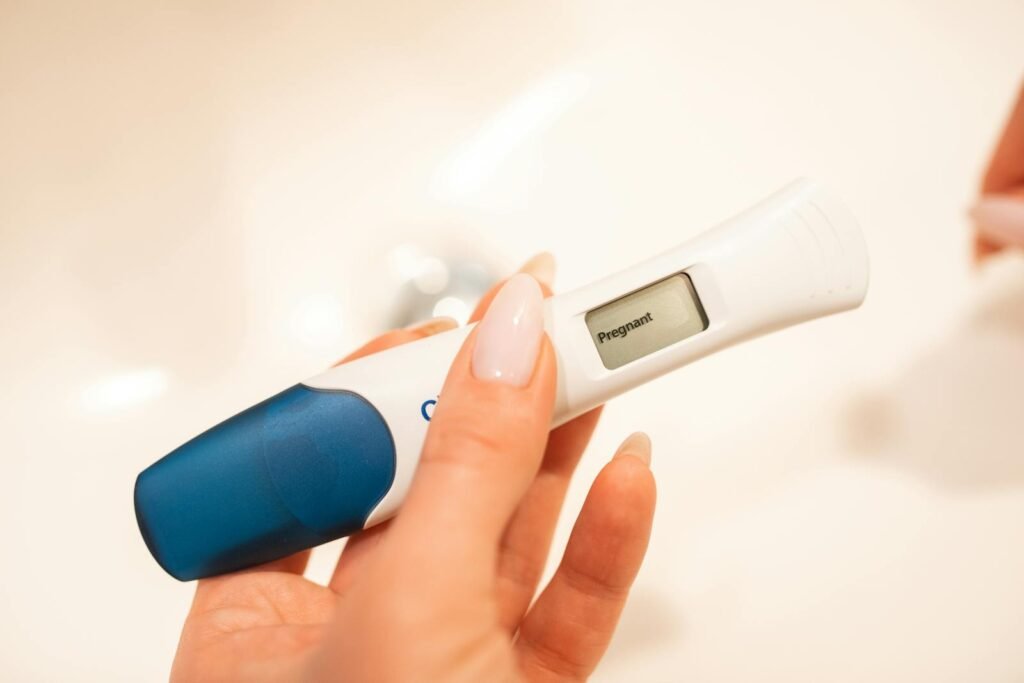
Understanding Why Your Doctor Might Prescribe Birth Control When You’re Trying to Get Pregnant
Many women feel confused when their doctors prescribe birth control pills while they are trying to conceive. It may seem counterintuitive. After all, birth control is typically used to prevent pregnancy. However, there are several important reasons why a healthcare provider might recommend this approach. Understanding these reasons can help alleviate concerns and provide clarity as you embark on your journey to parenthood.
Regulating Your Menstrual Cycle
One primary reason for prescribing birth control is to regulate your menstrual cycle. Irregular periods can make it difficult to pinpoint ovulation — the time when you are most fertile. By taking hormonal birth control, your cycles can become more predictable. This regulation can be very beneficial when you’re trying to conceive, as it can help you identify your fertile window more accurately.

Optimizing Hormonal Balance
Your doctor might also prescribe birth control to address hormonal imbalances. Conditions such as polycystic ovary syndrome (PCOS) can lead to irregular ovulation and hormonal fluctuations. Birth control pills can help balance these hormones, making it easier for your body to ovulate regularly. Once your hormones are stabilized, your chances of conceiving may increase significantly.
Treating Underlying Health Issues
Sometimes, underlying medical conditions can interfere with fertility. Hormonal birth control can be an effective treatment for issues like endometriosis or fibroids, both of which can cause pain and other complications that affect your ability to conceive. By managing these conditions with birth control, your doctor is helping to optimize your overall reproductive health.
Timing and Preparation for Pregnancy
In some cases, your doctor may suggest using birth control as a strategic way to prepare for pregnancy. For example, if you are planning to conceive in the near future but need to address health issues or make lifestyle changes first, it may be wise to use birth control temporarily. This allows you to create an ideal environment for conception when you are ready.
Managing Stress and Emotional Well-being
Family planning can be a stressful time. Managing your stress levels can be crucial when trying to conceive. Hormonal birth control can sometimes help relieve stress related to menstrual symptoms. Better managing these symptoms can lead to a more relaxed approach to trying for a baby, which might improve your chances of conception.
Potential Side Effects
While taking birth control, it’s essential to keep in mind that every woman’s body reacts differently to hormones. Some may experience side effects such as:
- Nausea
- Weight gain
- Headaches
- Changes in mood
It’s important to discuss these potential side effects with your doctor, as they can provide alternatives or solutions if needed.
Planning for Future Fertility
Some doctors prescribe birth control to help plan for future pregnancies, especially if you have had previous difficulties conceiving. It can be a method of taking a step back to ensure you are in the best health possible before trying to get pregnant again. This thorough planning can help set you up for a successful pregnancy when you are ready.
Ultimately, open communication with your doctor is vital. If you have questions or concerns about why they prescribed birth control while you are trying to get pregnant, don’t hesitate to ask. Engaging in a discussion about your health history, your cycle, and your goals for starting a family can help you gain clarity.
Remember, every woman’s journey to motherhood is unique. What works for one may not work for another. Trusting your healthcare provider and following their guidance can play a significant role in your path toward a successful pregnancy.
The Role of Hormonal Regulation in Fertility
Fertility is a complex process that heavily relies on hormonal regulation. Hormones act as messengers in your body, guiding various processes, including those essential for conception. If you’re trying to conceive, understanding how hormones influence fertility can help you navigate your journey more effectively.
Understanding Hormones and Their Role
Hormones such as estrogen, progesterone, and luteinizing hormone (LH) play pivotal roles in the menstrual cycle and overall reproductive health. Each hormone has specific functions that contribute to the development of eggs, preparation of the uterus for pregnancy, and maintenance of early pregnancy.
- Estrogen: This hormone is crucial for the growth and maturation of follicles in the ovaries. It also helps regulate the menstrual cycle and prepares the uterine lining for a potential pregnancy.
- Progesterone: After ovulation, progesterone levels rise. It is vital for maintaining the uterine lining, creating a suitable environment for a fertilized egg to implant.
- Luteinizing Hormone (LH): A surge in LH triggers ovulation, allowing an egg to be released. Proper levels of LH are critical for successful conception.
The Menstrual Cycle and Hormonal Balance
Your menstrual cycle is divided into phases, each regulated by hormonal changes. These phases include the follicular phase, ovulation, and the luteal phase.
- Follicular Phase: Begins on the first day of your period. During this phase, hormones stimulate the growth of follicles in the ovaries, ultimately leading to egg maturation.
- Ovulation: Mid-cycle, a surge in LH causes the mature follicle to release an egg. This is the prime time for conception.
- Luteal Phase: After ovulation, progesterone levels rise to prepare the uterus. If pregnancy doesn’t occur, hormone levels drop, leading to menstruation.
Why Hormonal Imbalances Can Affect Fertility
Hormonal imbalances can disrupt your menstrual cycle and hinder your chances of becoming pregnant. Various factors can contribute to these imbalances:
- Stress: High stress levels can cause your body to produce excess cortisol, which can interfere with hormone production.
- Weight Changes: Being underweight or overweight can impact hormone levels. A healthy weight is essential for optimal fertility.
- Medical Conditions: Conditions like polycystic ovary syndrome (PCOS) or thyroid disorders can cause hormonal disruptions, making it harder to conceive.
Testing and Treating Hormonal Issues
If you are experiencing challenges with fertility, your doctor may recommend hormone testing. This testing helps identify any imbalances that could be affecting your ability to conceive. Common tests may include:
- Blood Tests: These are used to measure levels of estrogen, progesterone, and other hormones at various points in your cycle.
- Ultrasound: An ultrasound can help assess the condition of your ovaries and the thickness of your uterine lining.
Once you identify hormonal issues, your doctor can suggest treatments to help regulate your hormones. Options may include hormonal therapies, lifestyle changes, or medications to address underlying conditions.
Natural Ways to Support Hormonal Health
There are several lifestyle changes you can make to support healthy hormonal balance:
- Maintain a Balanced Diet: Eating whole, nutrient-rich foods can provide the vitamins and minerals your body needs for hormone production.
- Stay Active: Regular exercise helps maintain a healthy weight and reduces stress levels.
- Manage Stress: Techniques like yoga, meditation, or deep-breathing exercises can lower stress and promote hormonal balance.
Understanding the role of hormonal regulation in fertility helps you take a proactive approach to your reproductive health. By being aware of these factors and discussing concerns with a healthcare provider, you increase your chances of conception and create a supportive environment for a healthy pregnancy.
Temporary Birth Control Methods: Effects on Reproductive Health
Temporary birth control methods serve an important function in family planning and reproductive health. They offer individuals and couples flexibility in managing their fertility on a short-term basis. Understanding the effects of these methods on reproductive health allows users to make informed decisions. This will help you to better comprehend your options and their implications.
There are various temporary birth control methods available, each with unique characteristics and side effects. Here are some of the most common types:
- Condoms: Barrier methods like male and female condoms prevent sperm from reaching the egg. They also offer protection against sexually transmitted infections (STIs).
- Birth Control Pills: Oral contraceptives have hormones that prevent ovulation. When taken correctly, they can be more than 99% effective.
- Patches: Similar to the pill, patches release hormones through the skin and are replaced weekly.
- Injections: The birth control shot provides long-term hormone release to prevent ovulation but may require doctor’s visits every few months.
- IUDs (Intrauterine Devices): Some types can be used temporarily and can provide effective contraception for 3-10 years.
- Implants: Hormonal implants are placed under the skin in your arm, releasing hormones to prevent ovulation.
While these methods are effective, they can have notable effects on your reproductive health. Here’s what you should consider:
Hormonal Impact
Many temporary birth control methods rely on hormones to prevent pregnancy. For example, birth control pills, patches, and implants often contain estrogen and progestin. While these hormones are effective, they can lead to side effects such as:
- Nausea and headaches
- Weight gain or loss
- Changes in mood
- Irregular bleeding or spotting
Understanding these side effects is crucial for anyone looking to use hormonal methods. If you experience significant discomfort, consulting with your healthcare provider is essential to explore alternatives.
Fertility After Discontinuation
Another important aspect to consider is the impact of temporary birth control on future fertility. Most methods allow for a quick return to fertility after stopping use. For example:
- Pills: Fertility can return quickly after stopping.
- Condoms: Sperm is available immediately after discontinuation.
- IUDs: Fertility typically returns immediately once the IUD is removed.
However, some methods may have lingering effects. The birth control shot, for instance, might delay the return of fertility for several months. Understanding these timelines can help in planning your family.
Protection Against STIs
Not all temporary birth control methods provide protection against STIs. Condoms are unique in that they create a barrier, reducing the risk of infections. However, hormonal methods like pills and implants won’t protect you from STIs. If you’re sexually active and concerned about STIs, pairing condoms with other methods can offer the best protection.
Consultation with a Healthcare Provider
Before choosing a temporary birth control method, it’s wise to speak with a healthcare provider. They can offer personalized advice based on your health history, lifestyle, and reproductive goals. This discussion is key to ensuring that you select a method that aligns with your needs and health requirements.
Temporary birth control methods are valuable tools in family planning. They allow you to control your reproductive health effectively while considering future fertility aspirations. Understanding your options, their effects, and how they fit into your overall reproductive health can lead to more empowered decisions. Always prioritize what feels right for your body and consult professionals to guide your choices wisely.
Identifying Underlying Health Issues That May Require Birth Control
When you’re eager to welcome a new baby into your life, it can be puzzling to hear your doctor suggest birth control. However, understanding why this recommendation might come up is important. Sometimes, underlying health issues can complicate the journey to pregnancy, and managing these conditions with birth control can be a wise move.
Here are several reasons why a doctor might prescribe birth control even if you’re trying to conceive:
Hormonal Balance
Your hormones play a crucial role in your fertility. Conditions like polycystic ovary syndrome (PCOS) can lead to irregular periods and hormonal imbalances. A healthcare provider may recommend hormonal birth control to help regulate your cycle and establish a more predictable pattern. This can make it easier to monitor your ovulation, ultimately helping you better understand the best times to try for pregnancy.
Endometriosis Management
If you have endometriosis, birth control might be suggested as a way to manage pain and symptoms associated with this condition. Endometriosis can interfere with your ability to conceive, so controlling its effects can optimize your chances of getting pregnant. Many women experience improved symptoms while on birth control, thereby creating a healthier environment for pregnancy in the future.
Preparing the Body for Pregnancy
In some cases, taking a break with birth control can help your body prepare for pregnancy. This is particularly true if you have conditions such as hormonal imbalances or other reproductive system disorders. By stabilizing your hormones or addressing other issues first, you set a strong foundation for a healthy pregnancy.
Regular Menstrual Cycle
A regular menstrual cycle is essential when planning a family. If your cycles are irregular, using birth control can help to normalize them. Many women find that once they regulate their cycles, it becomes easier to identify their fertile windows and increase their chances of conceiving.
Reducing the Risk of Ovarian Cysts
Ovarian cysts are fluid-filled sacs that can form on the ovaries and sometimes disrupt your menstrual cycle or ovulation. Birth control pills may prevent the formation of these cysts by inhibiting ovulation. By managing this risk, your doctor can help you avoid complications that could affect your chances of getting pregnant.
Health Monitoring
Using hormonal birth control can also serve as a way to monitor and manage your reproductive health. If you have a history of reproductive health problems, your doctor might want to keep a close check on your health before trying to conceive. Birth control can give you time to get your health in check, ensuring that your body is ready for pregnancy.
Talking with Your Doctor
If your doctor recommends birth control while you are trying to conceive, it’s vital to have an open and honest conversation about your goals and concerns. Here are some points to discuss during your appointment:
- Your Health History: Share any previous health issues that may impact your fertility.
- Family Planning Goals: Clearly express your desire to get pregnant and talk about your timeline.
- Concerns About Birth Control: Ask questions about why it has been recommended and how it can be helpful.
Understanding the reasoning behind your doctor’s advice can bring clarity to your journey. It’s important to remember that recommendations for birth control are often made with your long-term health in mind. While it may feel counterintuitive at first, managing any underlying health issues effectively can ultimately support your goal of starting a family.
Every woman’s body is unique, and your doctor is there to help guide you through the complexities of your reproductive health. Empower yourself with knowledge and engage proactively in conversations with your healthcare provider to ensure your approach to conceiving is as informed as possible.
Communicating Effectively with Your Doctor About Family Planning Goals
When contemplating family planning, clear communication with your doctor is crucial. This open dialogue not only enhances your understanding of available options but also helps align your family’s goals with the best medical practices. You may find yourself asking, “How can I effectively communicate with my doctor about my family planning goals?” Here are some strategies to make your conversations more fruitful.
Prepare for Your Visit
Before you meet with your healthcare provider, it’s beneficial to prepare. Write down your questions and concerns, which can include:
- What are the best family planning methods for my situation?
- How does my medical history affect my choices?
- What are the potential risks and benefits of these methods?
- Are there specific tests or assessments I should undergo?
- How do lifestyle choices impact my family planning options?
This preparation will help guide the discussion and ensure you cover all important points.
Be Honest About Your Goals
Expressing your family planning goals clearly is essential. Whether you want to conceive soon, delay pregnancy for a few years, or explore options like fertility treatments, your doctor needs to know. Be open about:
- Your current situation and future family aspirations.
- Any underlying health issues or complications.
- Your comfort level with various contraceptive methods.
- Previous experiences with birth control or fertility treatments.
This transparency will enable your doctor to provide personalized advice tailored to your unique needs.
Ask Questions
During the visit, don’t hesitate to ask questions. If something is unclear, ask for clarification. Here are some effective questions to consider:
- What are my options based on my health and lifestyle?
- Can you explain how each method works?
- What are the chances of success if I choose to conceive right away?
- Are there any side effects or risks associated with my options?
- How often do I need to come in for follow-up visits?
Remember, asking questions not only shows your interest but also ensures you understand the information given, which is vital for making informed decisions.
Share Relevant Information
Your medical history, lifestyle, and even stress levels can significantly impact your family planning. Share information such as:
- Current medications and supplements you are taking.
- Any recent health issues or surgeries.
- Dietary habits and exercise routines.
- Emotional health and stress management practices.
This information allows your doctor to evaluate how these factors may influence your family planning options.
Be Open to Recommendations
Your doctor may suggest methods or treatments that you haven’t considered. Be open to these recommendations. If you feel unsure, ask for the rationale behind their suggestions. For instance, you could ask:
- What led you to recommend this particular method?
- How does it compare to what I initially wanted?
- What specific benefits can I expect from this approach?
Understanding their rationale allows you to weigh your options more effectively.
Follow Up
After your visit, keep the lines of communication open. If you have additional questions or concerns, don’t hesitate to reach out. This ongoing dialogue is important as your family planning needs may change over time. Make use of follow-up appointments to discuss:
- Adjustments based on your experiences with the chosen method.
- Any new health updates affecting your family planning.
- Future goals and how they align with your current situation.
Establish a Trusting Relationship
Building a trusting relationship with your healthcare provider can lead to more effective communication. Your doctor should be someone you feel comfortable discussing sensitive topics with. If you feel you aren’t getting the support you need, consider seeking a second opinion or finding a new provider who aligns better with your needs.
Effective communication with your doctor is key to achieving your family planning goals. By preparing for your visits, being honest about your aspirations, asking detailed questions, and sharing relevant information, you’ll be better equipped to make informed decisions that align with your family’s future.
Conclusion
Navigating the journey to pregnancy can sometimes be confusing, especially when your doctor recommends birth control as part of your plan. Understanding the reasoning behind this can empower you. Hormonal regulation plays a significant role in fertility, and sometimes, using temporary birth control methods can help balance your hormones, making it easier for your body to prepare for conception when the time is right.
Moreover, underlying health issues such as polycystic ovary syndrome (PCOS) or endometriosis may require a more careful approach to your reproductive health. By addressing these issues with birth control, your doctor can help stabilize your cycle and enhance your overall fertility. This proactive strategy allows your body to function optimally when you decide to pursue pregnancy.
Effective communication with your doctor is essential in this process. Discuss your family planning goals openly, ask questions, and express any concerns you may have. This collaborative approach ensures that both you and your healthcare provider are aligned in making decisions that support your journey toward conception.
Ultimately, understanding the nuances of your reproductive health and the role birth control can play—despite the immediate aim of pregnancy—creates a foundation for successful family planning. Your doctor is there to help you, so trust the process and stay informed every step of the way as you pave your path to parenthood.
Leave a Reply