
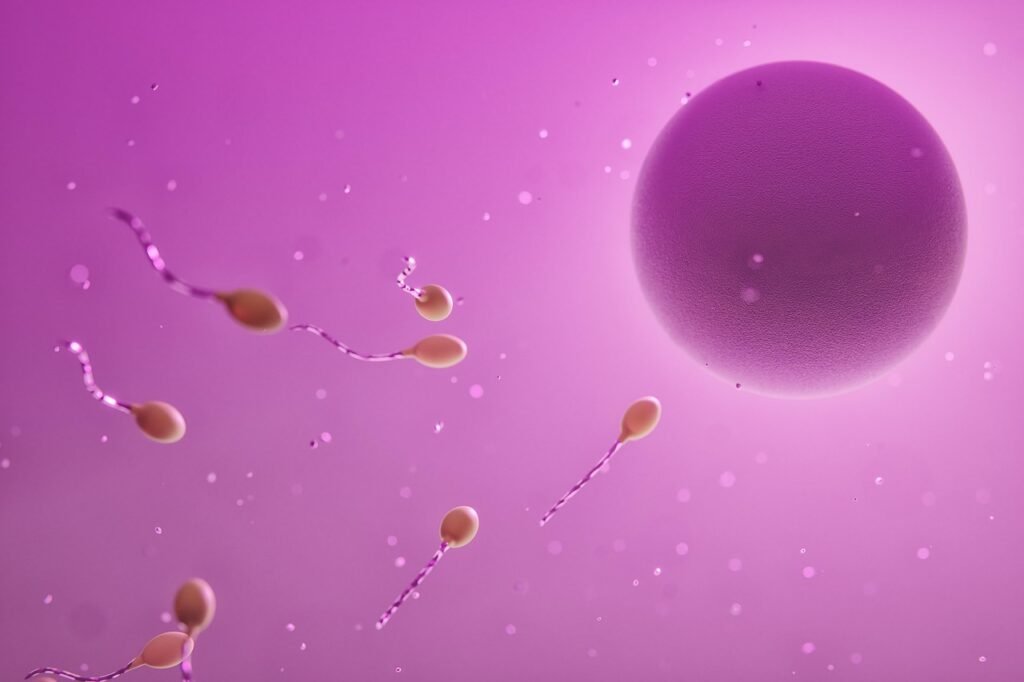
Common Causes of Male Factor Infertility
Male factor infertility is a significant issue affecting many couples trying to conceive. Understanding the common causes can help you identify potential problems and seek appropriate solutions. There are several factors that can contribute to male infertility, and knowing these can guide you and your partner toward the right medical advice.
Hormonal Imbalances
Hormonal imbalances play a crucial role in male fertility. Testosterone, the primary male hormone, is vital for sperm production. Low levels of testosterone or imbalances in other hormones like LH and FSH can disrupt the normal functioning of the testes. This disruption leads to reduced sperm count and quality.

Genetic Factors
Genetic abnormalities can also contribute to male infertility. Conditions such as Klinefelter syndrome, Y chromosome microdeletions, and other chromosomal abnormalities may affect sperm production and function. Men with these genetic issues often require specialized testing and treatment.
Medical Conditions
Several medical conditions can cause male factor infertility:
- Varicocele: This condition involves enlarged veins in the scrotum and can negatively impact sperm production and quality.
- Infections: Sexually transmitted infections, like chlamydia and gonorrhea, as well as other infections can lead to inflammation or blockages in the reproductive tract, affecting sperm delivery.
- Chronic diseases: Disorders such as diabetes, kidney disease, and liver disease can interfere with hormone levels and sperm production.
Lifestyle Factors
Your lifestyle choices directly impact your fertility health. Here are some lifestyle factors that may lead to infertility in men:
- Smoking: Tobacco use can reduce sperm count and motility, affecting overall fertility.
- Excessive alcohol consumption: Heavy drinking can lower testosterone levels and impact sperm production.
- Obesity: Being overweight can disrupt hormone levels and lead to lower sperm quality.
- Drug use: Recreational drugs, including marijuana and anabolic steroids, can negatively affect sperm production.
Environmental Factors
Environmental factors can also play a significant role in male infertility. Exposure to certain toxins and chemicals found in pesticides, heavy metals, and industrial pollutants can harm sperm quality. Working in high-heat environments, such as metal shops or factories, can also lead to infertility due to overheating the testes.
Age
While female factor infertility is often emphasized when discussing age, men can also experience reduced fertility as they get older. As men age, sperm production tends to decline, and the quality of sperm may diminish. This can lead to decreased chances of conception and an increase in genetic abnormalities in offspring.
Peyronie’s Disease
Peyronie’s disease is characterized by the development of fibrous scar tissue in the penis, which can lead to painful erections and curvatures. This condition can impact a couple’s ability to conceive and may require medical interventions to address fertility issues.
Understanding Your Options
If you suspect you may be dealing with male factor infertility, it’s essential to consult a healthcare professional. They can conduct a thorough evaluation, including hormone testing, sperm analysis, and possibly genetic testing. Depending on the diagnosis, various treatments, including lifestyle changes, medications, or assisted reproductive technologies, can be explored.
Addressing male factor infertility requires understanding, patience, and sometimes professional guidance. Being informed about the common causes can empower you to take the necessary steps toward improving your chances of conception. Whether it’s through adjusting your lifestyle, seeking medical treatment, or engaging in supportive therapies, you can find ways to help enhance your fertility journey.
Lifestyle Choices Impacting Male Fertility
Male fertility can be significantly influenced by lifestyle choices. Many men are unaware that their daily habits can either enhance or hinder their reproductive health. Understanding these lifestyle factors is essential, especially for those looking to start or grow their families. Here’s a closer look at how your choices might be impacting your fertility.
Diet and Nutrition
The food you eat plays a crucial role in your overall health, including your fertility. A balanced diet rich in essential nutrients can boost sperm quality. Include the following in your meals:
- Fruits and Vegetables: These are high in antioxidants, which help protect sperm from damage.
- Healthy Fats: Foods like avocados, nuts, and olive oil can improve hormone levels.
- Lean Proteins: Fish, chicken, and plant-based proteins are great for overall health.
- Zinc and Folate: Found in nuts, seeds, and leafy greens, these nutrients are linked to better sperm health.
On the other hand, diets high in processed foods, sugar, and trans fats can negatively impact your fertility. Make sure to cut back on fast food and sugary snacks to maintain optimal reproductive health.
Physical Activity
Regular exercise is not only good for your body but also beneficial for your sperm. Being physically active helps maintain a healthy weight, which can improve hormone levels. It’s recommended to engage in at least 150 minutes of moderate-intensity exercise per week. Choose activities you enjoy, whether it’s jogging, cycling, or swimming.
However, balance is key. Overtraining can lead to low testosterone levels and decreased fertility. Aim for a mix of cardiovascular workouts and strength training, keeping a moderate approach to exercise.
Avoiding Substance Abuse
Cigarette smoking and excessive alcohol consumption can severely impact male fertility. Smoking is linked to reduced sperm count and motility. Likewise, heavy drinking can lead to hormonal changes that affect sperm production. Consider cutting down or quitting these habits to improve your reproductive health.
Managing Stress
High-stress levels can take a toll not just on your mental health but also on your fertility. Stress can lead to hormonal imbalances that diminish sperm production. To manage stress effectively, consider the following strategies:
- Meditation: Take time each day to practice mindfulness.
- Yoga: This can help improve flexibility and reduce stress levels.
- Deep Breathing: Simple exercises can help you calm your mind during stressful moments.
Integrating these practices into your routine can create a more balanced mental state, which is vital for maintaining fertility.
Environmental Factors
Environmental toxins can also play a role in male fertility. Exposure to chemicals found in pesticides, heavy metals, and industrial pollutants can negatively impact sperm health. To minimize risk, try to:
- Limit Exposure: Reduce time spent in polluted areas and avoid using harmful chemicals in the home.
- Choose Organic: Opt for organic produce when possible to cut down on pesticide exposure.
Being mindful of your surroundings can help protect not only your fertility but also your overall health.
Sleep Hygiene
Adequate sleep is often overlooked when discussing male fertility. Poor sleep patterns can lead to hormonal disruptions that adversely affect sperm production. Aim for 7 to 9 hours of quality sleep each night. Create a relaxing bedtime routine, keep your bedroom dark, and avoid electronics before sleeping. Better sleep can lead to improved health and better fertility outcomes.
Making informed lifestyle choices is a significant step towards enhancing male fertility. By focusing on a balanced diet, staying active, avoiding harmful substances, managing stress, being cautious of environmental toxins, and ensuring adequate sleep, you can support your reproductive health effectively. Remember, small changes in your daily habits can lead to impactful results over time.
The Role of Genetics in Male Infertility
Understanding male infertility is a complex journey, and one of the crucial aspects to consider is genetics. Many men may not realize that their genetic make-up can significantly impact their fertility. Let’s explore the role of genetics in male infertility and how it affects men trying to conceive.
Genetic Factors Contributing to Male Infertility
Genetic abnormalities can manifest in various ways, influencing sperm production, quality, and overall fertility. Below are some common genetic factors that play a role:
- Chromosomal Abnormalities: Disorders such as Klinefelter syndrome, which involves an extra X chromosome, can lead to testicular dysfunction and reduced sperm production.
- Y-Chromosome Microdeletions: Smaller deletions on the Y chromosome can cause low sperm counts or even sperm absence. Identifying these issues can inform treatment options for couples trying to conceive.
- Single Gene Disorders: Conditions like cystic fibrosis can affect the reproductive system, leading to congenital absence of the vas deferens, which may result in infertility due to obstruction.
Impact of Genetics on Sperm Quality
The quality of sperm is critical for conception, and genetics can directly influence factors such as motility, morphology, and count. Here’s how:
- Motility: Genetic disorders can affect how well sperm swim. Poor motility can hinder the sperm’s ability to reach and fertilize the egg.
- Morphology: Abnormalities in sperm shape can result from genetic factors, affecting the sperm’s capability to penetrate the egg.
- Sperm Count: Genetic factors can lead to oligospermia (low sperm count) or azoospermia (no sperm), drastically decreasing the likelihood of natural conception.
Inheritance Patterns and Male Infertility
Understanding how genetics can be passed from generation to generation is also essential. Some fertility issues may occur as a result of inherited genetic factors. Here are key points to consider:
- Familial Trends: If a man’s father or brother has faced infertility issues, the risk of a similar problem occurring may increase due to shared genetic traits.
- Autosomal Dominant Traits: Certain genetic disorders that affect fertility may follow these patterns, where only one copy of the mutated gene from one parent is enough to affect fertility.
- Autosomal Recessive Traits: In some cases, both parents must carry the gene for an issue to manifest. This can lead to a higher risk for infertility if both partners are carriers.
Genetic Testing and Its Importance
For couples facing fertility challenges, genetic testing can provide valuable insights. Here’s why genetic assessments matter:
- Identifying Issues: Genetic testing can pinpoint specific genetic mutations or chromosomal abnormalities responsible for infertility.
- Guiding Treatment: Results can help doctors tailor treatment options, ranging from assisted reproductive technology (ART) to more personalized therapies.
- Informed Decisions: Couples can make educated choices about their family planning and potential interventions based on genetic findings.
The Psychological Impact of Genetic Factors
Exploring the genetic underpinnings of infertility can be emotionally challenging. Understanding that genetics may play a role can impact a man’s psychological well-being:
- Stigmatization: Feeling a sense of inadequacy or stigma can arise as men grapple with their infertility, especially in cultures that value fatherhood.
- Emotional Support: Addressing genetic infertility issues may require couples to seek counseling, providing a safe space to express feelings and share concerns.
Ultimately, the role of genetics in male infertility is both intricate and significant. Recognizing how genetic factors influence fertility can lead to tailored treatments and foster better emotional support strategies as couples navigate their fertility journey.
Medical Conditions Linked to Male Factor Infertility
Understanding male factor infertility is crucial for couples trying to conceive. Various medical conditions can significantly impact male fertility, affecting sperm production, function, or delivery. Recognizing these conditions early can lead to timely treatments and improve the chances of conception. Let’s explore some of the most common medical conditions linked to male factor infertility.
Hormonal Imbalances
Hormonal imbalances can play a significant role in male fertility issues. The endocrine system regulates hormones like testosterone and luteinizing hormone, essential for sperm production. Conditions such as hypogonadism may result in low testosterone levels, leading to reduced sperm production. Monitoring hormone levels through blood tests helps in diagnosing these conditions.
Genetic Disorders
Certain genetic disorders can have a profound impact on male infertility. For instance, Klinefelter syndrome, characterized by the presence of an extra X chromosome, can lead to low testosterone and sperm production issues. Other genetic factors, such as Y-chromosome microdeletions, can also impair fertility. Genetic testing can determine if these issues are affecting you.
Medical Conditions Affecting the Reproductive System
Several medical conditions specifically affect male reproductive organs and their ability to produce or transport sperm. Some of the most common include:
- Varicocele: This is the enlargement of veins within the scrotum, which can hinder sperm production and quality.
- Hydrocele: An accumulation of fluid around the testicle can cause swelling and discomfort, potentially impacting fertility.
- Infections: Infections like epididymitis or prostatitis can affect sperm quality and block sperm delivery.
- Undescended testicles (cryptorchidism): A condition where one or both testicles fail to descend into the scrotum can affect sperm production if untreated.
Medical Treatments and Procedures
Certain medical treatments can also affect male fertility. For example, chemotherapy and radiation therapy used for cancer treatment can damage sperm cells, leading to temporary or permanent infertility. Discussing potential fertility preservation options with your healthcare provider before undergoing such treatments is essential.
Chronic Health Conditions
Chronic health conditions can impair male fertility by affecting overall health and hormonal balance. Some common conditions include:
- Diabetes: This condition can lead to hormonal and nerve issues that may negatively influence sperm production.
- Obesity: Excess body weight affects hormone levels and can lead to lower testosterone, impacting sperm quality.
- Thyroid disorders: Both hypothyroidism and hyperthyroidism can influence systemic hormonal levels, affecting sperm production.
Lifestyle Factors
Although not medical conditions per se, several lifestyle factors can contribute to male factor infertility. These include:
- Substance abuse: Alcohol and recreational drug use can negatively impact testosterone levels and sperm production.
- Tobacco use: Smoking has been shown to affect sperm morphology and motility.
- Environmental exposures: Prolonged exposure to industrial chemicals and heavy metals may adversely affect fertility.
Age-Related Factors
Age is another vital factor in male fertility. As men age, testosterone levels naturally decline, which may decrease sperm quality and quantity. Issues like erectile dysfunction and lower libido can also arise with age, complicating conception efforts. Understanding age-related changes can better prepare men for fertility challenges.
Recognizing and addressing these medical conditions linked to male factor infertility is essential in the journey to parenthood. If you or your partner are facing difficulties in conceiving, consulting a healthcare professional can provide personalized support and potential treatment options tailored to your specific situation. Being proactive about reproductive health can pave the way for a successful family planning journey.
Advances in Treatment for Male Fertility Issues
In recent years, significant advances in the treatment of male fertility issues have emerged, offering hope to countless couples struggling to conceive. Understanding the innovative methods available can be critical for men facing fertility challenges. This comprehensive exploration highlights the most notable treatments designed to improve male fertility.
Medical Treatments for Male Infertility
One of the most common causes of male infertility is hormonal imbalances. Healthcare providers often recommend hormone replacement therapy to address these issues. This treatment can include:
- Testosterone Therapy: This treatment can help correct low testosterone levels, which are vital for sperm production.
- Thyroid Hormone Therapy: Hormones produced by the thyroid can influence overall reproductive health; treating thyroid issues can improve fertility.
- Selective Estrogen Receptor Modulators (SERMs): These drugs can increase the natural production of testosterone by blocking estrogen receptors, thereby enhancing sperm production.
Assisted Reproductive Technologies (ART)
In cases where conventional treatments fall short, assisted reproductive technologies provide advanced options. Two of the most common ART techniques include:
- In Vitro Fertilization (IVF): IVF involves combining eggs and sperm outside the body, allowing for controlled fertilization. If sperm quality is low, intracytoplasmic sperm injection (ICSI) is often used, where a single sperm is injected directly into an egg.
- Semen Analysis and Sperm Retrieval Techniques: Methods like testicular sperm extraction (TESE) and percutaneous epididymal sperm aspiration (PESA) are available for men with obstructive azoospermia. They help retrieve viable sperm directly from the testicles or epididymis.
Lifestyle Changes and Natural Remedies
Many men may find that simple lifestyle changes can significantly enhance their fertility. Consider the following adjustments:
- Healthy Diet: Consuming a balanced diet rich in fruits, vegetables, whole grains, and lean proteins can improve overall health and contribute to better sperm quality.
- Regular Exercise: While excessive exercise can lead to reduced testosterone levels, moderate physical activity helps maintain optimal body weight and hormonal balance.
- Avoiding Toxins: Limiting exposure to harmful substances such as pesticides, heavy metals, and certain chemicals found in plastics can support reproductive health.
Moreover, some natural supplements like zinc, vitamin C, CoQ10, and omega-3 fatty acids may enhance fertility. It’s essential to consult a healthcare provider before starting any supplementation.
Emerging Technologies
The field of male fertility treatment is continually evolving, with new technologies emerging to address fertility issues more effectively. Some noteworthy advancements include:
- Gene Editing: Techniques like CRISPR are being investigated for their potential to correct genetic abnormalities that may affect sperm quality and function.
- Stem Cell Research: Stem cells may offer the possibility of creating sperm from somatic cells, providing treatments for men who do not produce viable sperm.
- Advanced Sperm Analysis Tools: New technologies are developing sophisticated sperm analysis methods that assess sperm motility and morphology faster and more accurately, aiding in diagnosis and treatment customization.
Stress Management and Mental Health
Infertility can take a toll on mental health, causing anxiety and depression among men. Addressing emotional wellbeing is just as important as physical health in male fertility. Techniques for managing stress include:
- Meditation and Mindfulness: Practices like yoga and meditation can help reduce stress levels, promoting a healthier lifestyle conducive to fertility.
- Counseling Services: Professional support from therapists or support groups can provide a space to explore feelings and strategies for coping with fertility challenges.
The advances in treatment for male fertility issues provide a comprehensive array of options tailored to meet individual needs. By exploring medical, lifestyle, and emotional support avenues, men can better approach the journey of conception with renewed hope and understanding.
Conclusion
Understanding the various causes of male factor infertility is crucial for anyone facing challenges in starting a family. Identifying common causes such as hormonal imbalances, low sperm production, and issues with sperm mobility can guide you toward effective solutions. Lifestyle choices play a significant role in male fertility; factors like smoking, excessive alcohol consumption, obesity, and poor diet can drastically affect reproductive health.
Genetics also significantly impacts fertility, as certain inherited conditions can influence sperm quality and production. Additionally, various medical conditions such as diabetes, infections, and anatomical abnormalities may contribute to male infertility. Awareness of these conditions equips you with knowledge that can lead to timely intervention and management.
Fortunately, advancements in treatment offer hope to those struggling with male fertility issues. From lifestyle adjustments and medication to assisted reproductive technologies, there are multiple avenues available to address these challenges. Engaging with a healthcare provider can help tailor a plan that’s right for you, considering both medical history and lifestyle factors.
Recognizing the interplay of lifestyle, genetic factors, medical conditions, and available treatments empowers you to take control of your reproductive health. With the right support and understanding, overcoming the hurdles of male factor infertility is absolutely achievable, paving the way towards fulfilling your dream of parenthood. Investing in your health and seeking the right guidance can make a significant difference in the journey to starting or expanding your family.
Leave a Reply