
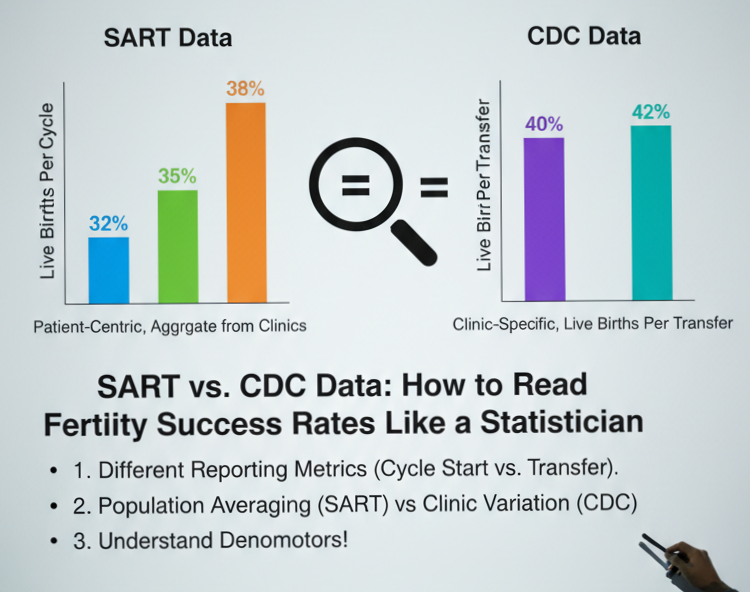
SART vs. CDC Data: Understanding Fertility Success Rates for Informed Decisions
When considering fertility treatments, understanding success rates can often feel overwhelming. Two primary sources of fertility data are the Society for Assisted Reproductive Technology (SART) and the Centers for Disease Control and Prevention (CDC). Both organizations provide valuable information, but they do so in different ways. Knowing how to read and interpret their data can empower you to make informed decisions about your fertility journey.
Understanding SART Data
SART focuses specifically on assisted reproductive technology (ART) clinics in the United States. They gather and publish data annually on ART procedures performed, which includes in vitro fertilization (IVF) and other techniques. Here’s how to comprehend SART data effectively:

- Data Collection: SART collects data directly from member clinics. This helps ensure a comprehensive database that reflects the activities and success rates of many fertility centers.
- Success Rates: SART reports success rates in terms of live birth per egg retrieval. This is one of the most direct measures of a treatment’s effectiveness.
- Demographic Information: SART data often breaks down success rates by age, which allows you to see how age affects outcomes. Younger women tend to have higher success rates compared to older women.
- Clinic Comparison: You can compare data between different clinics to find one that suits your needs best.
Decoding CDC Data
The CDC also tracks ART procedures, but it takes a broader approach. Its reports include data from a wide array of clinics, encompassing those outside of SART. Here are some key points to understand CDC data:
- Annual Reports: The CDC releases annual reports on ART success rates that compile data from fertility clinics across the nation, but it lacks the granularity of SART data.
- Live Birth Rates: Much like SART, the CDC provides live birth rates; however, they may include success rates for techniques not confined to SART clinics.
- Limitations of Data: The CDC’s data is not as detailed regarding age-specific outcomes, making it harder to assess success rates based on age groups.
- Broader Context: The CDC often provides additional health information, documenting pregnancies and births in a larger public health context.
Comparing SART and CDC Data
Now that you understand how each source collects and presents its data, let’s compare the two. Here are critical considerations:
- Granularity vs. Generalization: SART provides more nuanced data centered on individual clinics and demographic specifics, while the CDC offers a more generalized view of ART across the nation.
- Reliability Factors: Both organizations compile extensive data, but SART’s focus on its member clinics may deliver a clearer picture of success rates for those locations.
- Age and Treatment Type: If you are particularly focused on how age impacts fertility success, SART may provide data that better reflects this concern.
How to Use This Data
When looking at fertility success rates from SART and the CDC, you should consider your unique situation. Here are steps to analyze the data effectively:
- Research Clinics: Start by identifying clinics in your area. Use SART’s website to compare their success rates in relation to your particular demographic factors.
- Understand Limitations: Recognize that while data can inform you, individual success varies. Factors such as health history, fertility diagnosis, and even clinic practices play essential roles.
- Consult Professionals: Use these statistics as a conversation starter with your doctor. They can help you interpret the numbers and tailor your treatment plan.
By understanding the differences between SART and CDC data, you can utilize fertility success rates to make informed choices. This knowledge empowers you to be proactive in your fertility journey, providing clarity in what can often feel like a complex process. Remember, both sources aim to inform and guide you, so take the time to analyze their findings and communicate openly with your healthcare provider.
Decoding Success Rates: The Importance of Context in Fertility Data
Understanding fertility success rates is crucial for anyone considering assisted reproductive technologies. However, interpreting these rates requires more than just a glance at the numbers. Context plays a significant role in how you assess the data, and knowing what influences these rates can help you make more informed decisions about your fertility journey.
What Are Fertility Success Rates?
Fertility success rates usually reflect the percentage of pregnancies that result from fertility treatments, such as in vitro fertilization (IVF). Organizations like the Society for Assisted Reproductive Technology (SART) and the Centers for Disease Control and Prevention (CDC) provide these statistics to help potential patients gauge their chances. However, not all success rates are created equal.
Factors Influencing Success Rates
When you look at fertility success rates, consider several key factors that can influence the results:
- Age: Your age at the start of treatment is one of the most significant factors affecting your chances of success. Younger women typically have higher success rates than older women.
- Diagnosis: Specific fertility issues can impact success rates. For example, women with unexplained infertility may experience different outcomes compared to those with ovulatory disorders.
- Type of Treatment: The success rates of treatments vary drastically. IVF is often more successful than intrauterine insemination (IUI), while egg donation can yield higher success rates for older women.
- Embryo Quality: High-quality embryos have a greater chance of leading to successful pregnancies.
- Clinic Expertise: Different fertility clinics may report varying success rates due to their techniques and experience. Researching individual clinics can yield valuable insights.
Understanding SART vs. CDC Data
Both SART and the CDC publish fertility data, but their methodologies and focus areas differ. SART’s data is compiled from member clinics, offering a detailed look at success rates segmented by age, diagnosis, and treatment type. On the other hand, CDC data tends to be broader, incorporating information from numerous clinics across the U.S.
This variance means that while both sources can offer valuable insights, you need to understand what each dataset brings to the table. For example, SART may give you a more granular view of your clinic’s performance relative to others, while CDC data helps frame the national landscape.
How to Read Success Rates Effectively
Reading success rates effectively requires critical thinking and an understanding of context. Here are some steps to decode the data:
- Look beyond the numbers: Don’t just focus on the percentage. Examine the parameters under which those rates were calculated. What were the patient demographics? What treatments were considered for the rates reported?
- Compare like with like: If you’re looking at success rates from different clinics or sources, ensure you’re comparing similar treatments and patient populations. This minimizes misleading comparisons.
- Evaluate the clinic’s approach: Understand how a clinic’s techniques may impact their reported success rates. Are they specialized in certain types of infertility? Do they have cutting-edge technology?
The Importance of Patient Agency
Arm yourself with knowledge and advocate for your fertility health. Understand that each patient’s situation is unique, and statistics that apply broadly may not resonate with your specific circumstances. Engaging with healthcare providers and asking the right questions is essential. Seek clarifications on success rates, treatment options, and what those statistics mean for you.
Taking the Next Steps
After decoding fertility success rates, the next step is to assess your options. Consider scheduling consultations with multiple clinics to gain different perspectives on your fertility health. This approach not only aids in gathering information but also helps establish comfort and confidence with your chosen care provider.
Ultimately, understanding fertility success rates is about more than just numbers. It requires you to look at the bigger picture and appreciate the unique factors that can impact your fertility journey.
Key Factors Influencing Fertility Treatment Outcomes
Understanding the factors influencing fertility treatment outcomes can empower individuals and couples on their journey to conceive. Many components contribute to how well fertility treatments work, and recognizing these can enhance your decision-making process. Here are the key factors that play a significant role:
Age
Your age is one of the most significant factors affecting fertility treatment success. Women are born with a finite number of eggs, and as they age, the number and quality of these eggs decline. This can impact both natural conception and the success rates of treatments such as in vitro fertilization (IVF). Generally, women under 35 have better outcomes than those over 40.
Health Conditions
Underlying health issues can significantly influence fertility treatment outcomes. Some common conditions include:
- PCOS (Polycystic Ovary Syndrome): This hormonal disorder can lead to irregular menstrual cycles and may affect ovulation.
- Endometriosis: This condition occurs when tissue similar to the lining inside the uterus grows outside it, impacting fertility.
- Thyroid Disorders: Both hyperthyroidism and hypothyroidism can disrupt menstrual cycles and ovulation.
Addressing these conditions with your healthcare provider can improve your chances of successful treatment.
Lifestyle Choices
Your lifestyle plays a crucial role in fertility. Consider the following factors:
- Nutrition: A balanced diet rich in fruits, vegetables, and whole grains could enhance fertility.
- Exercise: Regular physical activity can help maintain a healthy weight, which is essential for hormone regulation.
- Smoking and Alcohol: Both habits can negatively affect fertility in both men and women. Quitting or reducing these habits can lead to improved outcomes.
Fertility Clinic Quality
The success rates can vary significantly between fertility clinics. Factors contributing to a clinic’s performance include the experience of the medical team, the technology and techniques they employ, and their track record with specific treatments. It’s essential to consider a clinic’s:
– Success rates for your particular age group
– Methodology and treatment plans
– Reviews and patient experiences
Emotional and Psychological Factors
Fertility treatment can be emotionally taxing, and mental well-being is crucial to the treatment process. High levels of stress can negatively affect hormone levels and overall fertility. Seeking support through counseling, support groups, or other channels can benefit your emotional health.
Partner Factors
Your partner’s health and fertility are just as important. Male fertility is determined by a variety of factors, including:
- Sperm Quality: Factors such as sperm count, motility, and morphology play a vital role in conception.
- Health Conditions: Conditions like diabetes or hormonal imbalances can also affect male fertility.
If needed, consider comprehensive fertility testing for both partners. Understanding both partners’ reproductive health is key to improving the odds of successful conception.
Medical History
Your medical history, including any previous pregnancy experiences, surgeries, or treatments, will influence your fertility treatment journey. If you have experienced complications in the past, it’s essential to discuss these with your fertility specialist. This history informs the treatment path that may be most successful for you.
By being aware of these key factors, you can take active steps to improve your chances of a successful fertility treatment outcome. From understanding your age and health conditions to incorporating healthy lifestyle choices and choosing the right clinic, every aspect matters. Remember that each individual’s journey to parenthood is unique, and approaching it with knowledge and preparedness can make a significant difference.
How to Compare Fertility Clinics Using SART and CDC Statistics
When you’re exploring fertility clinics, you’ll often come across various statistics that can guide your decision. Understanding how to interpret the data provided by the Society for Assisted Reproductive Technology (SART) and the Centers for Disease Control and Prevention (CDC) can be incredibly valuable. Both organizations compile statistics that can help you compare clinics and their success rates. Knowing how to read these reports can empower you to make informed choices about your fertility treatment.
SART aggregates data specifically from clinics that participate in assisted reproductive technology (ART). Their reports focus on outcomes from procedures like in vitro fertilization (IVF) and can provide insight into success rates based on various factors such as age, diagnosis, and treatment type. The CDC, on the other hand, provides national statistics on ART but in a more generalized format. This means that while both datasets offer useful information, they do so in slightly different ways. Understanding these differences is key to making sense of fertility clinic statistics.
To effectively compare fertility clinics using SART and CDC data, you should follow a clear process:
- Know What Data is Available: Both SART and CDC publish annual reports. SART is more clinic-specific, while the CDC offers broader insights across the country. Familiarize yourself with both formats to understand what information is most relevant to your situation.
- Look at Success Rates: When comparing success rates, focus on the percentage of live births per cycle started. This statistic is crucial as it reflects not just success but overall treatment efficacy. Look for success rates segmented by age group to get a clearer view of your potential outcomes.
- Understand the Population: Both SART and CDC data often include patient demographics. Analyzing these details can give you context about success rates. For example, a clinic that works mainly with younger patients may have higher success rates than one that treats a broader age range.
- Consider the Types of Treatments Offered: Not all clinics provide the same fertility treatments. Some may specialize in particular areas, making it important to consider whether the data aligns with the treatment you need.
- Review Complications and Risks: Success isn’t just about live births. It’s also crucial to look at potential complications associated with treatments. Both SART and CDC may provide additional resources that detail these factors.
- Revisit Data Annually: Fertility clinic performance can change from year to year. Regularly reviewing SART and CDC data will give you the most up-to-date information to base your decisions on.
Keep in mind that not all clinics report to SART or CDC. Therefore, if a clinic you are considering does not appear in these databases, it doesn’t necessarily mean it’s not a good option. However, you’ll want to gather additional information or reviews to assess their credibility and success rates.
Another important point is transparency. A reputable fertility clinic should openly share its success rates and any relevant statistical data. If a clinic is hesitant to provide information, it might be a red flag. You want to feel confident in your clinic’s success and knowledgeable about their processes.
It’s also important to have a conversation with your healthcare provider about any specific concerns you may have. They can help demystify the statistics and point you toward clinics that have a track record of treating your particular condition. This personalized advice can be invaluable as you weigh your options.
Reading fertility statistics like a statistician can save you time and help you avoid potential pitfalls. Remember to consider not just the numbers but also your personal circumstances. Each individual’s fertility journey is unique, and what works for one person may not necessarily work for another. Your final decision should reflect both empirical evidence and personal comfort with the clinic’s approach and staff.
Ultimately, understanding how to compare fertility clinics using SART and CDC statistics allows you to navigate your options more confidently. Equipped with this knowledge, you can better advocate for your fertility needs and take proactive steps toward building the family you desire.
Common Misconceptions About Fertility Success Rates Explained
Understanding fertility success rates can be overwhelming, especially with the vast amount of information available. Misconceptions can lead to unrealistic expectations and decisions. Here, we will clarify some common myths about fertility success rates to empower you with accurate knowledge.
Myth 1: All Clinics Report the Same Success Rates
One of the biggest misunderstandings is that all fertility clinics report success rates in the same way. In reality, each clinic may use different methods to calculate and present their data. Success rates can vary based on the types of patients treated, the technologies used, and even how they define success. It’s essential to dive deeper into the data provided by each clinic.
Myth 2: Age Doesn’t Matter
Many people believe that age has no significant influence on fertility success rates. This is far from the truth. Age is one of the most critical factors in fertility. Generally, younger women have higher success rates when it comes to treatments like in vitro fertilization (IVF). The quality of eggs declines with age, which directly affects chances of conception. Here’s a brief breakdown:
- Ages 35 and younger: Higher success rates around 40-50% per cycle
- Ages 36-37: Success rates drop to about 30-40%
- Ages 38-40: Rates can decrease to approximately 20-30%
- Over 40: Success rates often fall below 10%
Myth 3: Success Rates Guarantee Pregnancy
Another widespread misconception is that high success rates guarantee pregnancy. While a clinic may boast a 50% success rate, this doesn’t mean every patient will conceive. Success rates are averages and depend on numerous factors, including individual health conditions, treatment types, and more. It’s essential to set realistic expectations and consult with your healthcare provider for personalized understanding.
Myth 4: Higher Success Rates Indicate Better Clinics
While success rates are essential, they are not the sole indicator of a clinic’s quality. A clinic with higher success rates may also treat healthier patients or those with fewer complications. Conversely, a clinic with lower rates might work with patients who have more challenging cases. Consider looking into other factors, such as patient reviews, support services, and the expertise of the medical staff.
Myth 5: Success Rates Are Static
People often think that success rates remain constant over time, but this is not the case. Treatments and technologies in reproductive medicine are continuously improving. Additionally, clinics may change their protocol based on new research and data. Always seek the most current information and remember that success rates can evolve as the clinic updates its practices.
Myth 6: If You Don’t Succeed the First Time, It’s Over
Many individuals believe that a failed cycle means they cannot conceive at all. This is a harmful misconception. Fertility treatments can be a journey with ups and downs. Many patients require multiple cycles to achieve success. Discuss your options with your doctor and remain open to various treatments, as persistence can often lead to eventual success.
Myth 7: Lifestyle Choices Don’t Affect Success Rates
Your lifestyle choices can play a significant role in fertility success. Factors such as diet, exercise, smoking, and alcohol consumption can impact your chances of conception. It’s critical to lead a healthy lifestyle before and during treatment to improve your odds.
Understanding the complexities of fertility success rates involves looking beyond the surface. Educating yourself and seeking accurate data is important as you navigate your fertility journey. Knowledge is power, and dispelling these misconceptions can help make informed decisions regarding your reproductive health.
Conclusion
Understanding SART vs. CDC data is essential for anyone considering fertility treatments, as it arms you with the knowledge needed to make informed decisions. By recognizing how success rates are calculated and the importance of context, you can better interpret the numbers presented by these organizations. Remember, the raw data tells only part of the story; individual circumstances, clinic reputation, and personal health factors all play a significant role in treatment outcomes.
As you aim to choose the right fertility clinic, utilizing SART and CDC statistics can provide a clearer picture of potential success rates. Comparing clinics based on these figures can help reduce some uncertainties, but it’s just as important to consider how each clinic handles unique patient needs.
Many misconceptions surround fertility success rates that can lead to misguided expectations. Knowing the truth behind common myths helps you maintain a realistic outlook on your journey.
Ultimately, navigating fertility treatment involves numerous variables beyond mere statistics. By taking the time to understand SART and CDC data, focusing on the context, and actively engaging with healthcare providers, you’ll be positioned to make choices that resonate with your personal goals and circumstances. Empower yourself with knowledge, and let the statistics guide you toward the path that feels right for you.
Leave a Reply