
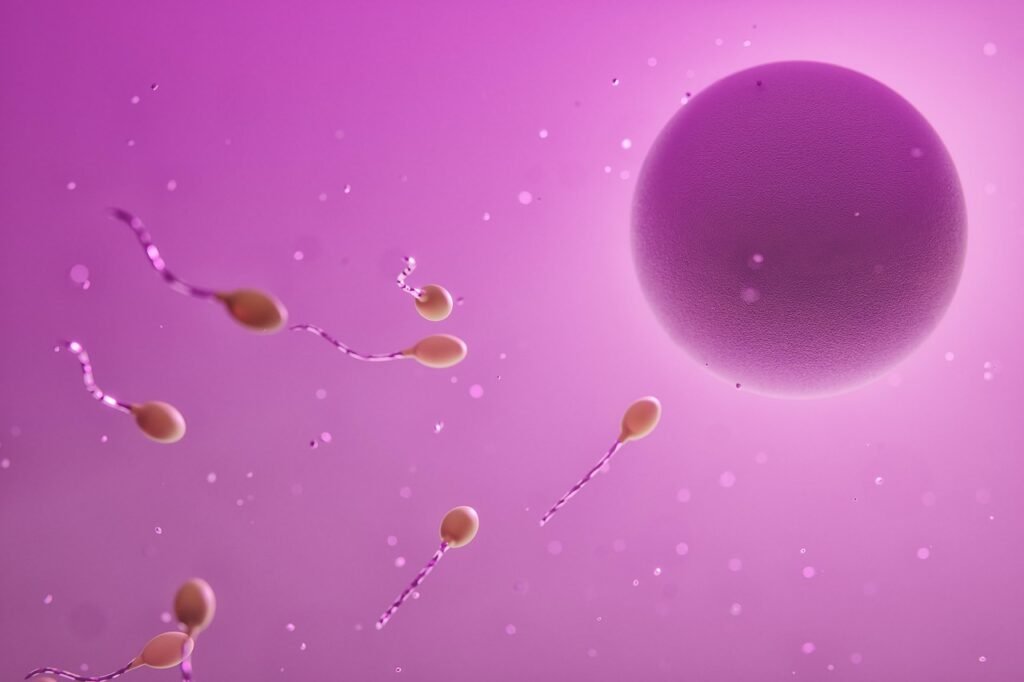
Understanding Constipation After Egg Retrieval: Causes and Symptoms
Experiencing constipation after egg retrieval can be a concerning and uncomfortable issue for many individuals. Understanding the causes and symptoms can provide clarity and relief during this time. Several factors contribute to constipation, and recognizing these can help you manage the symptoms effectively.
One of the primary causes of constipation following egg retrieval is hormonal changes. During the egg retrieval process, hormones such as progesterone are elevated. These hormones can slow down the movement of the intestines, leading to constipation. Additionally, the medications used during in vitro fertilization (IVF) can also affect bowel function. Pain medications, commonly prescribed after the procedure, may have side effects that include constipation.

Another contributing factor is dehydration. After egg retrieval, it is crucial to maintain proper hydration. Many people may unintentionally neglect their fluid intake during this time due to the emotional and physical stress of the procedure. Dehydration can harden stools and make regular bowel movements more difficult.
Dietary changes are often observed during the IVF process. Some individuals may alter their eating habits due to anxiety or nausea brought on by medications. A diet low in fiber can further exacerbate the problem, making it essential to consume foods that promote digestive health. Foods high in fiber include:
- Fruits such as apples, oranges, and berries
- Vegetables like leafy greens, carrots, and broccoli
- Whole grains such as oats, quinoa, and brown rice
- Legumes, including lentils and beans
Along with these dietary changes, physical inactivity can also play a role in developing constipation. Post-procedure fatigue can lead to decreased physical activity. Gentle movements, stretches, or walking can stimulate bowel function and ease constipation symptoms.
You may notice several symptoms if you are experiencing constipation after egg retrieval. Common signs include:
- Infrequent bowel movements (fewer than three times a week)
- Hard or dry stools
- Straining during bowel movements
- Abdominal discomfort or bloating
- A feeling of incomplete evacuation
Recognizing these symptoms early can help you address the issue before it becomes more severe. As uncomfortable as this experience may be, there are effective strategies to relieve constipation following egg retrieval. One useful method is to incorporate fiber-rich foods into your meals. You can also consider over-the-counter fiber supplements, but it’s wise to consult your healthcare provider before starting any new medication.
Staying hydrated is equally important. Aim for at least eight glasses of water daily, and consider herbal teas or clear broths to help increase fluid intake. Consuming warm beverages can also stimulate bowel activity and promote digestion. Be sure to listen to your body and adapt your fluid intake based on your needs.
Engaging in light physical activity can also aid in alleviating constipation. Depending on your doctor’s advice, try incorporating short walks around your house or gentle stretching exercises. Movement can encourage the digestive system to function more effectively.
If you find that dietary changes and hydration do not sufficiently relieve your constipation, there are additional steps you can take. Probiotics may help promote gut health and restore your natural bowel movements. Yogurt, kefir, and probiotic supplements can be helpful options.
In some cases, medical intervention may be necessary. If you experience persistent constipation despite trying various home remedies, do not hesitate to reach out to your healthcare provider. They can offer tailored advice and suggest appropriate treatments.
Understanding the causes and symptoms of constipation after egg retrieval can empower you to take the necessary steps to manage this discomfort. By prioritizing hydration, nutrition, and light activity, you can support your digestive health and improve your overall well-being during this significant time.
The Importance of Hydration and Diet Post-Procedure
After undergoing a medical procedure, such as egg retrieval, the importance of hydration and diet cannot be overstated. Your body has just experienced a significant event, and providing it with the right nutrients and fluids is crucial for a smooth recovery.
Hydration plays a vital role in your recovery process. It helps to flush out anesthesia and other medications, hydrates your organs, and even aids in digestion. Not drinking enough fluids can lead to constipation, headaches, and fatigue, which are not what you want when you are trying to recuperate. Here are some tips on how to stay hydrated effectively:
- Drink plenty of water. Aim for at least 8-10 glasses of water a day.
- Incorporate hydrating foods into your diet, such as cucumbers, oranges, and watermelon.
- Avoid caffeinated drinks that can dehydrate you.
- Consider electrolyte drinks or coconut water if you’ve lost a lot of fluids.
Along with staying hydrated, your diet significantly influences how quickly you heal. Eating a balanced diet allows your body to recover more efficiently, maintaining energy levels and minimizing discomfort. After egg retrieval, your body may be sensitive, and certain foods can help or hinder your recovery. Here’s what to include in your post-procedure meal plan:
- High Fiber Foods: Foods such as whole grains, fruits, and vegetables can help prevent constipation, a common issue following egg retrieval.
- Lean Proteins: Incorporate chicken, fish, or plant-based proteins to help repair tissues.
- Healthy Fats: Avocados, nuts, and olive oil provide essential fatty acids that promote inflammation reduction.
- Dairy or Alternatives: Calcium-rich foods can help maintain bone health, which is crucial if you’re undergoing hormone treatments.
Specific foods can ease digestive discomfort and enhance recovery:
- Bananas: Rich in potassium and fiber, aiding digestion.
- Ginger: Known for its anti-nausea properties, it can ease digestive issues.
- Broths: Easy to digest and hydrating, broth-based soups can be comforting post-procedure.
- Oatmeal: High in soluble fiber, which can help regulate your digestive system.
In addition to what you consume, consider your mealtime routine. Eating smaller, frequent meals instead of three large ones can ease digestive strain. Listen to your body and eat when you’re hungry but avoid overeating. If any food causes discomfort, don’t hesitate to adjust your diet accordingly.
Post-procedure, it’s also important to manage your physical activity. While light movements will help stimulate digestion, avoid strenuous exercises until you’ve fully recuperated. Gentle walks can assist in getting your digestive system back on track without adding stress to your body.
Stress management is another important factor that shouldn’t be overlooked during your recovery period. Stress can negatively impact digestion and overall health. Consider incorporating relaxation techniques into your daily routine:
- Deep Breathing: Practicing deep breathing exercises can help calm both your mind and body.
- Meditation: Dedicate a few minutes each day to quiet your thoughts and focus on your breath.
- Gentle Yoga: Simple stretches can relieve tension and promote circulation.
Remember, everyone’s body responds differently after a procedure; therefore, pay attention to what feels right for you. If constipation or any digestive issues persist, don’t hesitate to speak with your healthcare provider for personalized advice. Taking care of your hydration and diet will put you on the right track to feeling better, faster.
Effective Emergency Protocols to Relieve Constipation
Experiencing constipation after egg retrieval can be a frustrating and uncomfortable issue. The hormonal fluctuations and medications involved in procedures like egg retrieval may contribute to this condition. Thankfully, there are effective emergency protocols you can use to find relief quickly and efficiently.
To help you tackle constipation, it’s essential to focus on hydration first. Drink plenty of water throughout the day. Aim for at least eight glasses, as staying hydrated helps soften stool and promotes bowel movements. If plain water feels boring, consider infusing it with slices of lemon, cucumber, or berries for a refreshing twist.
Another effective strategy is to incorporate fiber-rich foods into your diet. Fiber aids digestion and can significantly impact your body’s ability to eliminate waste. Foods high in fiber include:
- Fruits such as apples, pears, and berries
- Vegetables like broccoli, carrots, and leafy greens
- Whole grains, including oats, quinoa, and brown rice
- Legumes, such as lentils, beans, and chickpeas
These foods into your meals not only enhances your diet but also creates a more favorable environment for your digestive system.
Gentle physical activity can also encourage bowel movements. Simple exercises like walking or stretching can stimulate the intestines and help things move along. Consider taking a short walk after meals or practicing gentle yoga poses, such as the seated forward bend or child’s pose, which can support digestion.
For those seeking immediate relief, over-the-counter remedies can be beneficial. Consider using a mild laxative or stool softener that is safe post-egg retrieval. However, it is crucial to consult your healthcare provider before taking any medication to ensure it’s appropriate for you in this context.
In some cases, a targeted approach may be necessary. Using a combination of magnesium citrate and probiotics can help recalibrate your digestive system. Magnesium citrate works as an osmotic laxative, pulling water into your intestines, while probiotics promote healthy gut flora. This dual-action can ease constipation effectively.
Warm beverages can also soothe your digestive system and encourage bowel movements. Hot water with lemon, herbal teas, or a warm broth can prompt the intestines to work more efficiently. The warmth not only relaxes the muscles in your abdomen but also stimulates the digestive tract.
If you’re looking for a quick fix, consider a gentle abdominal massage. Using circular motions around your belly can stimulate digestion. This method might be particularly effective when done before a warm bath, which can further relax your body and aid in bowel movements.
Monitoring your body’s response to different methods is crucial. Track your progress to see which strategies work best for you. Make adjustments based on your findings; sometimes, a combination of approaches can yield the best results.
Above all, listen to your body and be patient. Constipation after egg retrieval isn’t uncommon and can often be resolved by implementing these emergency protocols. Maintain open communication with your healthcare provider about your symptoms; they can offer additional guidance tailored to your situation.
If you find that your condition persists despite trying these strategies, do not hesitate to reach out to your medical team. They can provide alternative options and assess if there are underlying causes needing attention.
Relief from constipation does not have to be daunting. By using a mix of hydration, fiber-rich foods, gentle exercise, meditation, and corrective measures, you can conquer discomfort and regain control over your digestive health after egg retrieval.
When to Consult a Doctor: Signs of Serious Complications
Experiencing discomfort or unusual symptoms after a medical procedure can be concerning. Understanding when to seek professional help is crucial for your health and peace of mind. There are key signs that indicate you may need to consult a doctor after a procedure. Recognizing these signs early can make a significant difference in your recovery.
Signs of Serious Complications
The following symptoms may signal that something is wrong and that immediate medical attention is necessary:
- Severe Pain: While some discomfort can be expected after procedures, worsening or severe pain could suggest a complication. If your pain escalates rather than improves, don’t hesitate to contact your healthcare provider.
- Heavy Bleeding: A small amount of bleeding may be normal, but if you experience heavy bleeding that soaks through a pad within an hour, seek help promptly. This could indicate a serious issue that needs addressing.
- Infection Signs: Symptoms such as fever, chills, or the area around the incision feeling hot and swollen are red flags for infection. If you have any of these symptoms, it’s essential to get checked out.
- Nausea or Vomiting: Persistent nausea or vomiting, especially if accompanied by abdominal pain, could be a sign of complications like an obstruction. If these symptoms do not subside, it’s advisable to seek medical advice.
- Difficulty Breathing: If you find it hard to breathe, feel tightness in your chest, or exhibit shortness of breath, call for emergency assistance. These symptoms can be indicative of serious respiratory issues or reactions.
- Changes in Bowel Movements: If you experience constipation that lasts for an extended period after a procedure, this could signify an underlying issue. Signs like inability to pass gas or stool, along with severe bloating could require medical attention.
When to Call for Help
In general, if you feel that something is off with your recovery, trust your instincts. You know your body best. Here are additional scenarios when it’s best to consult your doctor:
- If you notice any unusual discharge coming from your surgical site, particularly if it has a foul smell.
- If you experience sudden swelling, which might indicate an allergic reaction or fluid buildup.
- If you develop any new symptoms that weren’t present immediately after your procedure.
- If you’re taking medications and they cause unexpected side effects like excessive drowsiness or confusion, reach out to your healthcare provider.
Consulting a doctor is especially important if you have pre-existing conditions that might complicate your recovery. Patients with diabetes, heart conditions, or autoimmune disorders need to be particularly vigilant. Changes in their health status can rapidly lead to complications. Therefore, staying alert to signs that deviate from your typical responses is paramount.
Monitoring Recovery
Keep a close eye on any changes during your recovery. Consider maintaining a journal to note any symptoms or discomfort levels over time. This can be a valuable tool for discussions with your healthcare provider. Having a detailed account can also help in diagnosing conditions that may not be immediately apparent.
Discuss any postoperative protocols with your doctor. Following recommended guidelines can minimize the risks of complications. If your healthcare provider hasn’t provided clear instructions, don’t hesitate to ask for clarification. It’s essential to have a good understanding of what to expect post-procedure.
A Support System
Engaging a trusted family member or friend in your recovery can provide additional support. They can help monitor your symptoms and encourage you to seek medical advice if needed. Sometimes, an outside perspective can highlight symptoms you might overlook as just part of the healing process.
While it’s vital to trust the healing process, it’s equally important to remain vigilant. Understanding the signs of complications and knowing when to consult a doctor can ensure your recovery goes smoothly, providing you with peace of mind throughout your journey. Always prioritize your health and do not hesitate to reach out for help when needed.
Lifestyle Changes to Prevent Constipation in Future Cycles
Experiencing constipation can be uncomfortable and frustrating, especially after egg retrieval during fertility treatments. Understanding how to manage and prevent this issue in future cycles is essential for maintaining overall well-being. Making certain lifestyle changes can significantly improve digestive health and reduce the risk of constipation.
Importance of Hydration
One of the simplest yet most effective ways to prevent constipation is by staying well-hydrated. Water aids digestion by softening stools and promoting regular bowel movements. To help you remember to drink enough, consider these tips:
- Keep a water bottle with you at all times.
- Aim for at least 8 (8-ounce) glasses of water daily.
- Infuse your water with fruits like lemon or cucumber for added flavor.
- Monitor your urine color; pale yellow indicates sufficient hydration.
Balanced Diet Rich in Fiber
A diet high in fiber can greatly reduce incidences of constipation. Fiber adds bulk to your stool and supports regular bowel movements. Focus on incorporating a variety of fiber-rich foods into your diet:
- Fruits: Apples, pears, berries, oranges, and bananas.
- Vegetables: Broccoli, spinach, carrots, and sweet potatoes.
- Whole Grains: Oats, brown rice, quinoa, and whole-grain bread.
- Legumes: Lentils, black beans, and chickpeas.
Regular Physical Activity
Exercise plays a crucial role in digestive health. Moving your body stimulates digestion and keeps things flowing. Consider these options to incorporate more physical activity into your life:
- Take a daily walk for at least 30 minutes.
- Try yoga or stretching exercises to promote relaxation and stimulate bowel movement.
- Engage in activities you enjoy, such as swimming, dancing, or cycling.
Listening to Your Body
Pay attention to your body’s signals when it comes to bowel movements. Ignoring the urge can lead to issues later. Here are some helpful reminders:
- Establish a regular bathroom routine, such as after meals.
- Don’t rush—take your time when visiting the restroom.
- Practice relaxation techniques to reduce anxiety around bowel movements.
Limit Stress
High-stress levels can negatively affect your digestive health. Finding methods to manage stress can be beneficial in preventing constipation. Consider these stress-reducing practices:
- Meditation or mindfulness exercises.
- Deep breathing techniques throughout the day.
- Engaging in hobbies that bring you joy.
- Getting adequate sleep to rejuvenate your body.
Avoiding Certain Foods and Habits
Some foods and habits can contribute to constipation. To maintain smooth digestion, be mindful of the following:
- Reduce your intake of processed foods high in sugar and unhealthy fats.
- Limit dairy products if they seem to cause digestive issues.
- Cut back on caffeine and alcohol, as they can have a dehydrating effect.
- Practice moderation with high-iron supplements without consulting your doctor.
Consulting Healthcare Professionals
Sometimes, despite making lifestyle changes, constipation may persist. If you experience chronic issues, consult your healthcare provider. They may offer additional strategies or check for underlying health concerns. Also, discussing any medications you are taking is crucial, as some can contribute to constipation.
Implementing these lifestyle changes can make a significant difference in managing constipation. Remember, it takes time for your body to adjust to new habits. Be patient with yourself as you work towards better digestive health. With the right approach, you can enjoy a more comfortable and positive experience in future cycles.
Conclusion
Experiencing constipation after egg retrieval is a common yet uncomfortable issue that many individuals face. Recognizing the causes and symptoms can help you to manage your discomfort more effectively. Staying hydrated and maintaining a balanced diet rich in fiber plays a crucial role in promoting regular bowel movements post-procedure. these fundamental practices into your routine can greatly alleviate the discomfort associated with constipation.
Implementing effective emergency protocols can also provide relief when constipation strikes. Simple remedies, such as taking a gentle laxative or incorporating movement into your daily activities, can work wonders to restore your digestive health. However, it’s vital to be aware of when to seek medical attention. Signs of serious complications, like severe abdominal pain or persistent constipation that does not improve, should prompt you to contact your doctor immediately.
Looking ahead, making lifestyle changes can help prevent constipation in future cycles. Regular exercise, a diet filled with whole foods, and consistent hydration are all strategies that balance your digestive health and minimize the risk of future constipation. By taking these proactive steps, you not only enhance your overall well-being but also foster a smoother recovery process after egg retrieval.
In essence, the journey toward relief from post-egg retrieval constipation is one of awareness, proactive measures, and timely medical advice if necessary. By prioritizing these elements, you can ensure a more comfortable experience during your fertility journey and embrace a healthier lifestyle moving forward.
Leave a Reply