
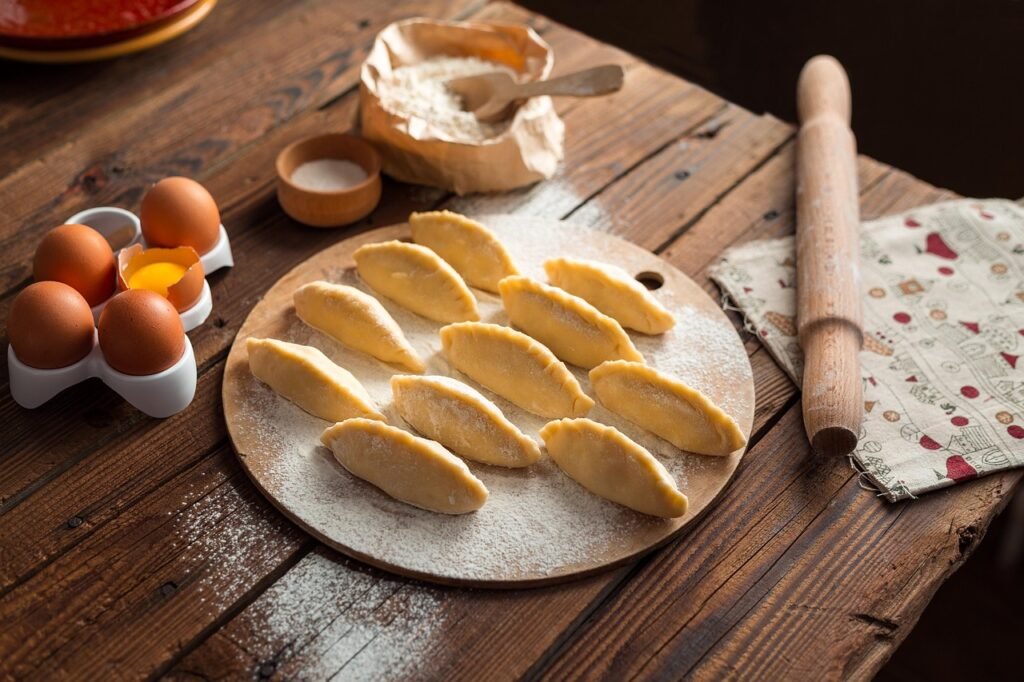
Meal Prep Strategies for Starting Stims: Essential Freezer Meals
Starting a stimulation treatment can be an exciting yet challenging time. With new routines comes the need for planning ahead, particularly when it comes to meals. Meal prep for stims involves preparing nutritious and convenient freezer meals to support your health and maintain energy levels. Let’s explore seven freezer meals that you can prepare ahead of time to simplify your cooking during this crucial stage.
Meal Prep Benefits
Meal prepping not only saves you time but also ensures you make healthy choices even on your busiest days. When you’re embarking on stims, your body needs the right fuel. Having meals ready to go can help you stick to your dietary goals without added stress. Here are some key benefits:
- Saves time during a busy week.
- Reduces the temptation to eat unhealthy fast food.
- Allows for better control over portion sizes and ingredients.
- Minimizes food waste with planned meals.
1. Chicken and Vegetable Stir-Fry
This dish is rich in protein and packed with colorful veggies. To prepare, sauté sliced chicken breast with a mix of your favorite vegetables like bell peppers, broccoli, and snap peas in a bit of olive oil. Season with low-sodium soy sauce or ginger for an extra kick. Once cooled, portion out into freezer-safe bags. You can easily reheat this on the stove or microwave when you’re ready to eat.
2. Quinoa and Black Bean Chili
A hearty chili loaded with fiber and plant-based protein. Cook quinoa and mix it with canned black beans, diced tomatoes, corn, and chili spices. Let it simmer until thickened, then allow to cool before transferring to freezer containers. This meal not only warms the soul but also offers essential nutrients to keep you strong.
3. Turkey Meatballs with Zucchini Noodles
Meatballs are a classic meal prep option. Combine ground turkey with chopped spinach, oats, and spices to form meatballs. Bake them and let them cool. Place meatballs in freezer bags with spiralized zucchini noodles to ensure you have a low-carb meal on hand. When you’re ready to eat, just combine them with your favorite tomato sauce.
4. Baked Salmon with Asparagus
Salmon is an excellent source of omega-3 fatty acids. Season salmon fillets with lemon and your choice of herbs. Bake alongside asparagus until cooked. Allow to cool, then wrap each serving in foil or plastic wrap before placing in the freezer. Simply thaw and reheat when needed for a nutrient-dense meal that’s quick to prepare.
5. Sweet Potato and Lentil Curry
This dish is packed with vitamins and flavor. Cook diced sweet potatoes, lentils, and diced tomatoes with coconut milk and curry powder. Simmer until sweet potatoes are tender, letting the flavors meld. Once cooled, store in freezer-safe containers. This meal is not only filling but also simple to heat and serve.
6. Egg Muffins with Spinach and Cheese
Egg muffins are fantastic for a quick breakfast or snack. Whisk eggs with chopped spinach, tomatoes, and a little cheese, then pour the mixture into muffin tins. Bake and once cooled, freeze them individually. On those busy mornings, simply pop one in the microwave and enjoy a nutritious start to your day.
7. Vegetable and Chickpea Stir-fry
This colorful dish is quick, easy, and nutritious. Sauté a mix of seasonal vegetables like bell peppers, carrots, and broccoli with canned chickpeas for added protein and fiber. Hold off on adding any sauces until serving to keep flavors fresh. After cooling, freeze portions for a quick reheat lunch or dinner.
Preparing these meals for your stims phase not only ensures that you’re eating healthily, but also alleviates the stress of daily cooking. With these seven freezer meals in your repertoire, you can enjoy delicious, homemade dishes while keeping your energy levels up and your focus sharp. Remember, meal prep is about making life easier for you during a demanding time.
Nutritional Considerations During Stimulation Treatments
When undergoing stimulation treatments, your nutritional intake can significantly impact the process and outcomes. Staying mindful of what you eat and ensuring you’re fueling your body with the right nutrients is vital during this time. Here are some essential nutritional considerations to keep in mind.
Hydration Is Key
Maintaining proper hydration can help support your overall health and well-being. It can aid in hormone regulation and enhance overall bodily functions. Aim for:
- At least 8-10 glasses of water daily.
- Electrolyte-rich drinks, especially if you’re active.
- Limiting caffeine and alcohol, as they can dehydrate you.
Focus on Protein-Rich Foods
Protein plays a fundamental role in cellular health and repair. Including adequate protein in your diet can support hormone production and muscle maintenance. Consider adding these protein sources:
- Lean meats like chicken and turkey.
- Fish, especially fatty fish such as salmon, for Omega-3 fatty acids.
- Plant-based sources like lentils, beans, and quinoa.
Incorporate Healthy Fats
Healthy fats can be instrumental in hormone production and overall health during stimulation treatments. These fats can help your body absorb nutrients more effectively. Look for these options:
- Avocados
- Nuts and seeds
- Olive oil and coconut oil
Emphasize Fiber-Loaded Foods
Fiber into your diet can help maintain good digestion and regularity, which is essential during any treatment protocol. Aim to fill your plate with:
- Whole grains like brown rice, oats, and whole wheat bread.
- Fresh fruits and vegetables.
- Legumes such as chickpeas and kidney beans.
Vitamins and Minerals Matter
Your body needs a variety of vitamins and minerals to function optimally. Consider focusing on foods rich in the following:
- Vitamin D: Found in fortified foods, fatty fish, and exposure to sunlight. It supports immune function and bone health.
- Folic Acid: Important for cell division and development, found in leafy greens, citrus fruits, and beans.
- Iron: Essential for energy production; include sources like spinach, red meat, and fortified cereals.
Mind Your Portions
During stimulation treatments, hormonal changes may influence appetite and food choices. Listening to your body is crucial. Consider the following:
- Eat smaller, balanced meals to prevent energy dips.
- Include snacks rich in nutrients, such as nuts, yogurt, or fruit.
- Avoid processed foods high in sugar or unhealthy fats that can lead to inflammation.
Preplan and Meal Prep
Preparation can help you stay on track with your nutritional goals. Planning and prepping meals ahead can reduce stress and help ensure you have healthy options ready. Here are some tips:
- Batch-cook proteins and grains for the week.
- Chop vegetables and store them in portioned bags for quick access.
- Try to create a variety of meals to keep things interesting.
Focusing on these nutritional considerations during stimulation treatments can enhance your support system while allowing you to maintain energy levels and overall health. Remember, everyone’s body responds differently, so monitoring your response to these dietary changes is essential. Make adjustments as needed, and don’t hesitate to seek guidance from a healthcare professional for personalized advice tailored to your specific needs.
Effective Storage Tips for Your Freezer Meals
When it comes to meal prepping, effective storage is key to getting the most out of your freezer meals. Whether you’re preparing your delicious dishes for a busy week or for a specific event, proper storage can enhance quality, taste, and convenience. Let’s dive into some handy tips to keep your freezer meals fresh and ready to go.
Choose the Right Containers
One of the first steps in effective meal storage is selecting the right containers. You want options that protect your food while being easy to handle. Here are some great choices:
- Glass Containers: These are ideal for freezing meals as they don’t retain odors. Plus, they’re eco-friendly and often microwave-safe.
- Plastic Freezer Bags: These are great for larger portions or liquid meals. They take up less space and allow for easy stacking.
- Aluminum Foil Trays: Perfect for casseroles or lasagna, these can go straight from the freezer to the oven.
Make sure that whatever container you choose is labeled as freezer-safe to prevent any mishaps with cracking or breaking in cold temperatures.
Label Everything
Labelling your meals is crucial. When you’re in a hurry or looking for something specific, it’s easy to forget what you’ve stored. Here’s how to effectively label your meals:
- Use a permanent marker or freezer tape.
- Include the name of the dish, the date it was prepared, and any reheating instructions.
- Color-code meals if you have dietary restrictions or preferences for easy identification.
This simple step allows you to quickly assess what meals you have on hand and avoid any waste.
Use the Right Freezing Method
The method you use to freeze your meals can impact their quality. Here are some effective techniques:
- Cool Before Freezing: Always let your meals cool down to room temperature before putting them in the freezer. This prevents ice crystals from forming.
- Portion Out Meals: Freezing meals in individual portions allows you to defrost only what you need, reducing waste.
- Squeeze Out Air: For freezer bags, remove as much air as possible before sealing to minimize freezer burn.
Consider the Order of Storage
How you arrange your meals in the freezer matters too. Keeping high-usage items at the top can save time. Here’s how to organize your meals efficiently:
- Place older meals at the front and new ones in the back. This will help ensure you consume them in a timely manner.
- Group similar meals together, like soups or casseroles, for quicker access.
- Utilize door compartments for small items like sauces or single-serve snack packs.
Check Temperature Settings
Maintaining the right temperature in your freezer ensures the longevity of your meals. Aim for a temperature of 0°F (-18°C) or lower. Any fluctuation can impact the quality of your food. Here’s how to check and maintain your freezer’s temperature:
- Use an appliance thermometer to ensure it’s functioning correctly.
- Don’t overload your freezer, as this can restrict air circulation and prevent it from reaching the right temperature.
- Inspect the door seals periodically for any cracks or gaps that could cause temperature fluctuations.
Rotate Your Meals
Just like you should rotate stock in your pantry, do the same in your freezer. Prioritizing meals that have been stored longer helps prevent waste. Here are tips for rotation:
- Establish a regular schedule to go through your freezer and consume older meals first.
- Involve family members when checking for the meals everyone prefers to finish up!
- Keep a notepad or digital list of what needs to be used up soon.
Effective storage is essential for maximizing the benefits of meal prep. By following these tips, you’ll find that organizing and preserving your freezer meals not only saves you time but also enhances your overall dining experience. Happy meal prepping!
Balancing Macros: Meal Planning for Optimal Energy
Eating balanced meals can be crucial for maintaining energy levels, especially when you’re on a busy schedule. When it comes to meal planning, understanding how to balance your macronutrients—carbohydrates, proteins, and fats—can have a significant impact on your overall energy and well-being. This approach not only helps meet your nutritional needs but can also enhance your physical and mental performance.
First, let’s break down the three main macronutrients:
- Carbohydrates: These are your body’s main source of energy. Complex carbs like whole grains, fruits, and vegetables provide sustained energy, making them a key part of any meal.
- Proteins: Essential for muscle repair and growth, proteins are vital for anyone leading an active lifestyle. Lean meats, fish, beans, and dairy are excellent protein sources.
- Fats: Healthy fats, such as those found in avocados, nuts, and olive oil, play a significant role in hormone production and cell function. They are also a concentrated source of energy.
To craft meals that truly energize you, consider incorporating a balance of these three macronutrients. The ideal ratio might vary depending on your individual goals, whether it’s weight loss, muscle gain, or general health, but a common balanced macro ratio is:
- 40% Carbohydrates
- 30% Protein
- 30% Fats
When planning your meals, think about including a variety of foods within these categories. Here are some practical steps to create energy-boosting meals:
1. **Plan Ahead:** Take time each week to plan out your meals. Making a grocery list based on your meals can help you stick to healthy choices. Ensure you have a balanced selection of protein, carbs, and fats.
2. **Batch Cooking:** Cooking in bulk can save you time and help you resist the urge to eat less healthy options. Prepare meals that can be divided into portions and stored in the refrigerator or freezer for easy access during the week.
3. **Portion Control:** While it’s important to eat a balanced diet, portion sizes matter. Measure out serving sizes based on your macro goals to ensure you’re getting the right amounts of each nutrient.
4. **Meal Ideas:** When planning meals, try to include the following combinations:
- Quinoa bowl with grilled chicken, black beans, diced bell peppers, and avocado.
- Stir-fried tofu with broccoli, brown rice, and sesame oil.
- Whole grain wrap with turkey, spinach, hummus, and sliced cucumbers.
- Oatmeal topped with Greek yogurt, berries, and a sprinkle of nuts.
5. **Stay Hydrated:** Water plays an essential role in energy levels. Sometimes, fatigue can stem from dehydration. Aim to drink enough water throughout the day.
6. **Healthy Snacks:** Keep your energy levels up by having healthy snacks available. Options like nuts, fruit, or yogurt can bridge the gap between meals and prevent energy crashes.
7. **Listen to Your Body:** Pay attention to how certain foods affect your energy. Everyone’s body reacts differently to different macronutrient compositions. Tuning into your body can help you create a personalized plan that works best for you.
A variety of food sources into your meal plan can make balancing these macros both enjoyable and satisfying. Remember, it’s not just about counting numbers; it’s about fueling your body and feeling good. Consistency and variety are key in finding what works best for your daily routine.
By implementing these meal planning strategies, you can cultivate optimal energy levels, enhancing your productivity and overall health. Remember, planning is just the first step. Make adjustments as needed and enjoy the process of discovering what nourishes your body best.
Easy Freezer Meal Recipes for Stims: Quick and Healthy Options
Meal prep can be a lifesaver, especially when you’re preparing for stims. Having healthy meals ready to go not only saves you time but also helps you stay on track with your nutritional needs. Here are seven easy freezer meal recipes to make before you start your injections. These meals are quick to prepare, packed with nutrients, and can be easily stored for future use.
1. Chicken and Quinoa Burrito Bowls
These burrito bowls are delicious and completely customizable. Start by cooking a batch of quinoa according to package instructions. While it cooks, sauté diced chicken breasts with your favorite taco seasoning. Once done, add black beans, corn, and diced bell peppers. Let everything cool and divide it into freezer-safe containers with cooked quinoa on the bottom.
- Ingredients: Diced chicken, quinoa, black beans, corn, bell peppers, taco seasoning.
- Storage: Freeze for up to three months.
- Reheating: Microwave for individual servings.
2. Veggie-Packed Pasta Bake
Pasta bakes are perfect for meal prep. Use whole-grain pasta and mix in lots of colorful veggies like spinach, zucchini, and cherry tomatoes. Combine cooked pasta with marinara sauce and a sprinkle of cheese. Pour it all into a baking dish, cover it with foil, and freeze. When you’re ready to eat, just bake it from frozen.
- Ingredients: Whole-grain pasta, marinara sauce, spinach, zucchini, cheese.
- Storage: Freeze for up to two months.
- Reheating: Bake at 375°F for about an hour.
3. Turkey and Sweet Potato Skillet
This one-pan meal is flavorful and easy to make. Sauté ground turkey with diced sweet potatoes, onions, and spices like cumin and paprika. This dish packs protein and fiber. Once fully cooked, let it cool and portion it into containers for freezing.
- Ingredients: Ground turkey, sweet potatoes, onions, cumin, paprika.
- Storage: Freeze for up to three months.
- Reheating: Microwave or heat on the stove until warm.
4. Lentil and Spinach Soup
A hearty soup is perfect for cooler days. Cook lentils with vegetable broth, diced tomatoes, onions, garlic, and tons of spinach. This meal is not only filling but also packed with nutrients. Allow it to cool before transferring to freezer bags.
- Ingredients: Lentils, vegetable broth, diced tomatoes, onions, garlic, spinach.
- Storage: Freeze for up to six months.
- Reheating: Thaw overnight and warm on the stove.
5. Baked Salmon and Vegetable Packs
Fish and veggies are a great protein and nutrient option. Place skinless salmon fillets onto sheets of foil, add your choice of veggies like asparagus or carrots, and season them. Fold the foil into packets and freeze. When ready to cook, you can bake the packets directly from the freezer.
- Ingredients: Salmon fillets, asparagus, carrots, olive oil, lemon.
- Storage: Freeze for up to three months.
- Reheating: Bake at 400°F for 25-30 minutes.
6. Beef Stir-Fry with Broccoli
This quick and nutritious meal can be made in minutes. Sauté sliced beef with broccoli, bell pepper, and soy sauce. Cook it quickly over high heat for that perfect stir-fry texture. Once cooled, this dish can be portioned into freezer containers. Serve it over rice or noodles once reheated.
- Ingredients: Sliced beef, broccoli, bell peppers, soy sauce.
- Storage: Freeze for up to two months.
- Reheating: Microwave or stir-fry again
7. Breakfast Burritos
These burritos are great for breakfast on the go. Scramble eggs with diced bell peppers, onions, and cheese. Spoon the mixture onto whole-wheat tortillas, roll them up, and wrap them tightly. Freeze each burrito individually for easy access.
- Ingredients: Eggs, bell peppers, onions, cheese, whole-wheat tortillas.
- Storage: Freeze for up to three months.
- Reheating: Microwave for 1-2 minutes.
By preparing these seven freezer meals, you’ll save time and ensure you have healthy options ready when you need them most. Each recipe is simple, nutritious, and can easily be adapted to your taste preferences, making meal prep for stims not just manageable, but enjoyable as well!
Conclusion
Preparing meals ahead of time can make a significant difference as you navigate the journey of stimulation treatments. Implementing effective meal prep strategies not only helps save time but also ensures you have nutritious options readily available. By focusing on delicious freezer meals that align with your dietary needs, you empower yourself to stay on track during this important phase.
Nutritional considerations play a crucial role in maintaining your energy levels and overall well-being during treatments. Prioritizing balanced macros—carbohydrates, proteins, and fats—can help you meet your energy demands and support your body through the process.
Remember, effective storage tips are key to preserving the quality of your meals. Using airtight containers and proper labeling can enhance organization in your freezer, allowing you to easily access your prep work.
You don’t need to complicate meal prep; easy freezer meals can be both quick to make and healthy. The recipes discussed not only save time but are designed to be enjoyable and satisfying, helping you maintain a positive mindset.
Ultimately, engaging in thoughtful meal prep for stims isn’t just about food; it’s about self-care and supporting your body through challenging times. With the right strategies in place, you can ensure that your meals nourish you, provide comfort, and contribute to a successful treatment experience. So go ahead, dive into these recipes and preparations, and make your meal prep journey as enjoyable as it is beneficial.
Leave a Reply